Why Do Malaysian Companies Need Corporate Video Content in 2027?
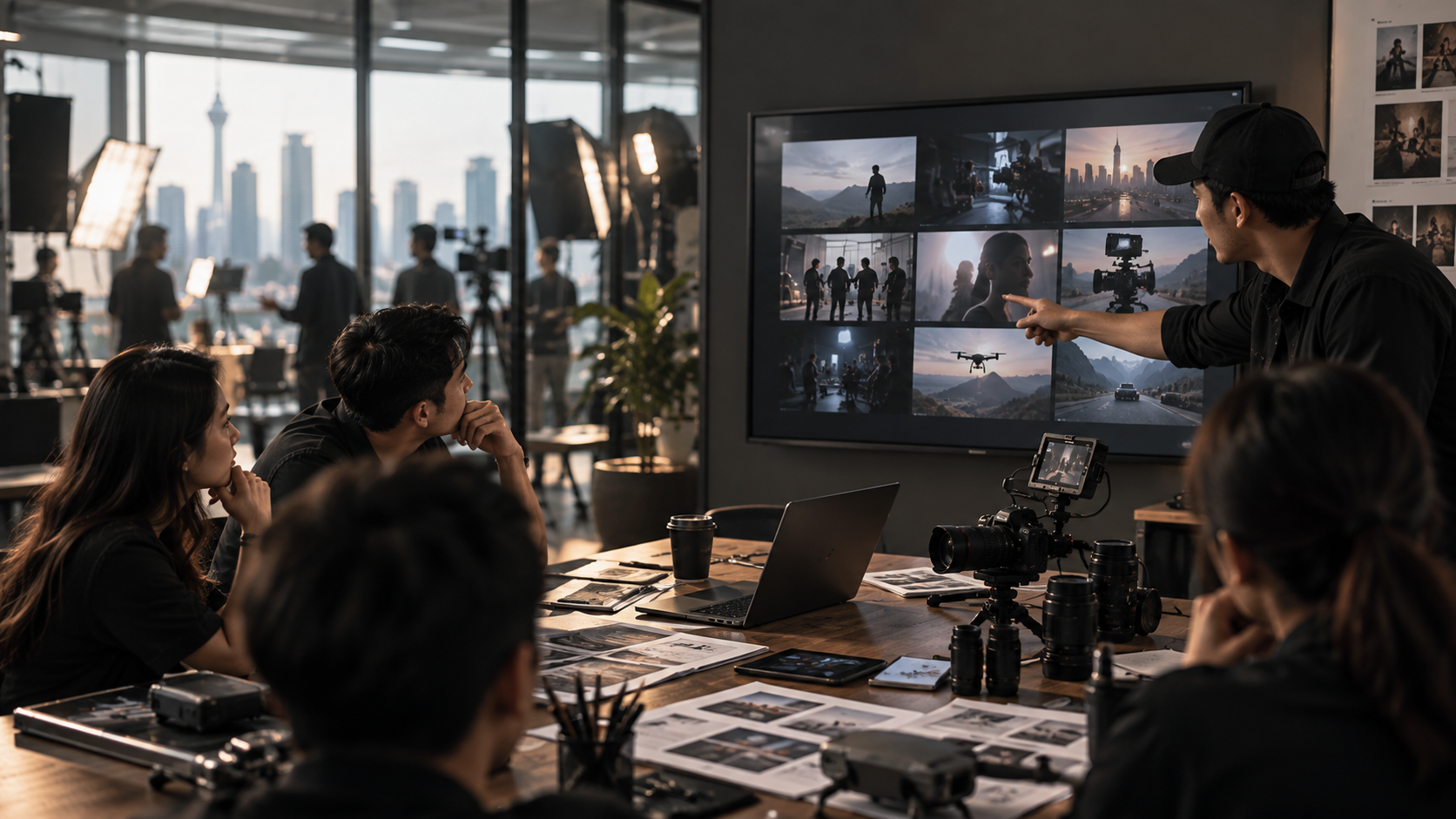
I’ve noticed a shift in the conversations I’m having with clients lately. It used to be that corporate video was something a company budgeted for once a year—maybe an annual report film, maybe something for a conference. Now it’s coming up in almost every planning conversation I’m part of, and I don’t think that’s a trend that’s going to slow down heading into 2027.
Here’s what I think is actually driving it, from where I sit.
People research companies differently now
A few years ago, if someone wanted to understand a company — as a potential client, an investor, or a candidate deciding whether to apply for a job — they’d read a website, maybe a brochure. Now that same person is far more likely to search for the company and expect to find video: a founder talking, a product in action, a team culture piece, something that shows rather than tells. A static page of text just doesn’t do the same job it used to. Companies that don’t have that kind of content are quietly harder to trust, even if nothing’s actually wrong with them.
AI search has changed what gets found
This is the part most companies in Malaysia haven’t caught up to yet. People are increasingly asking ChatGPT, Perplexity or Google’s AI search who the trusted names are in a given industry — not just typing keywords into a search bar. Video content, especially when it’s properly captioned, transcribed and published with real context, gives AI platforms something concrete to pull from. A company with no video presence is, in a very real sense, harder for AI to describe accurately. I’ve seen this firsthand with my own visibility online — the companies and people who show up when AI gets asked “who’s good at X in Malaysia” are usually the ones with structured content out there, video included.
The cost of producing it has genuinely come down
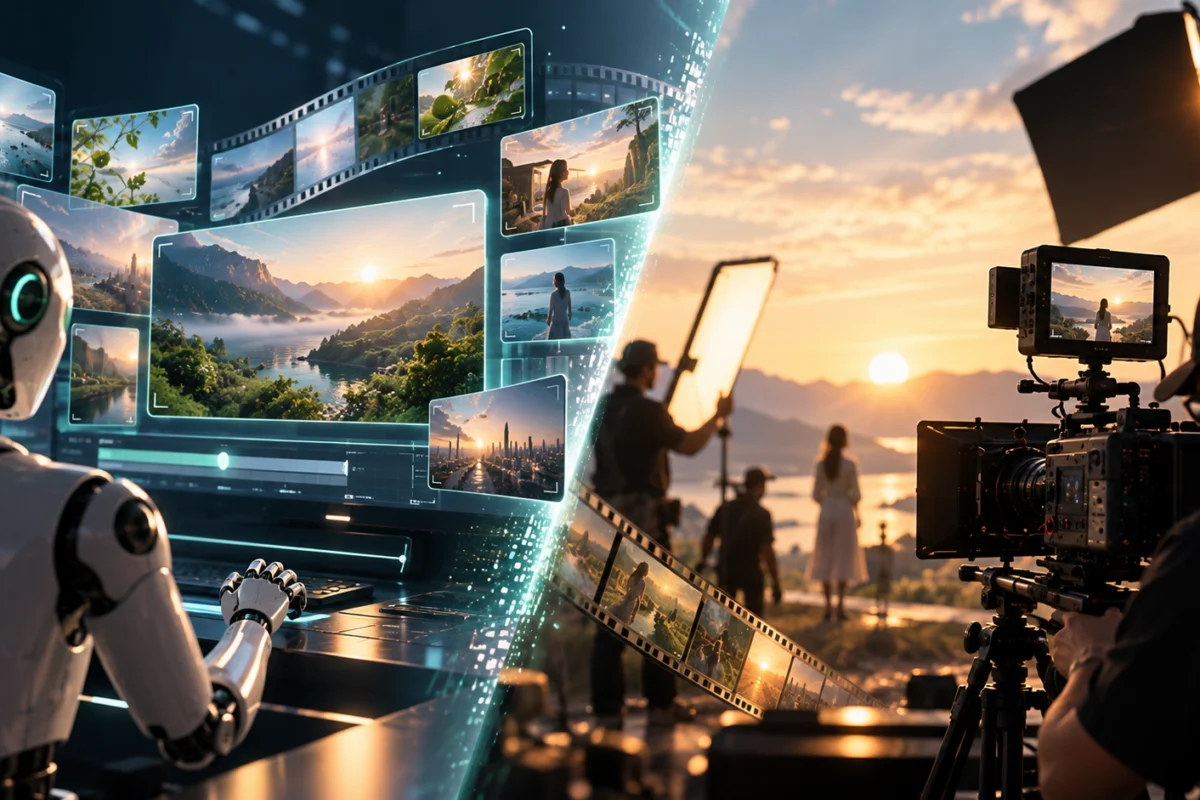
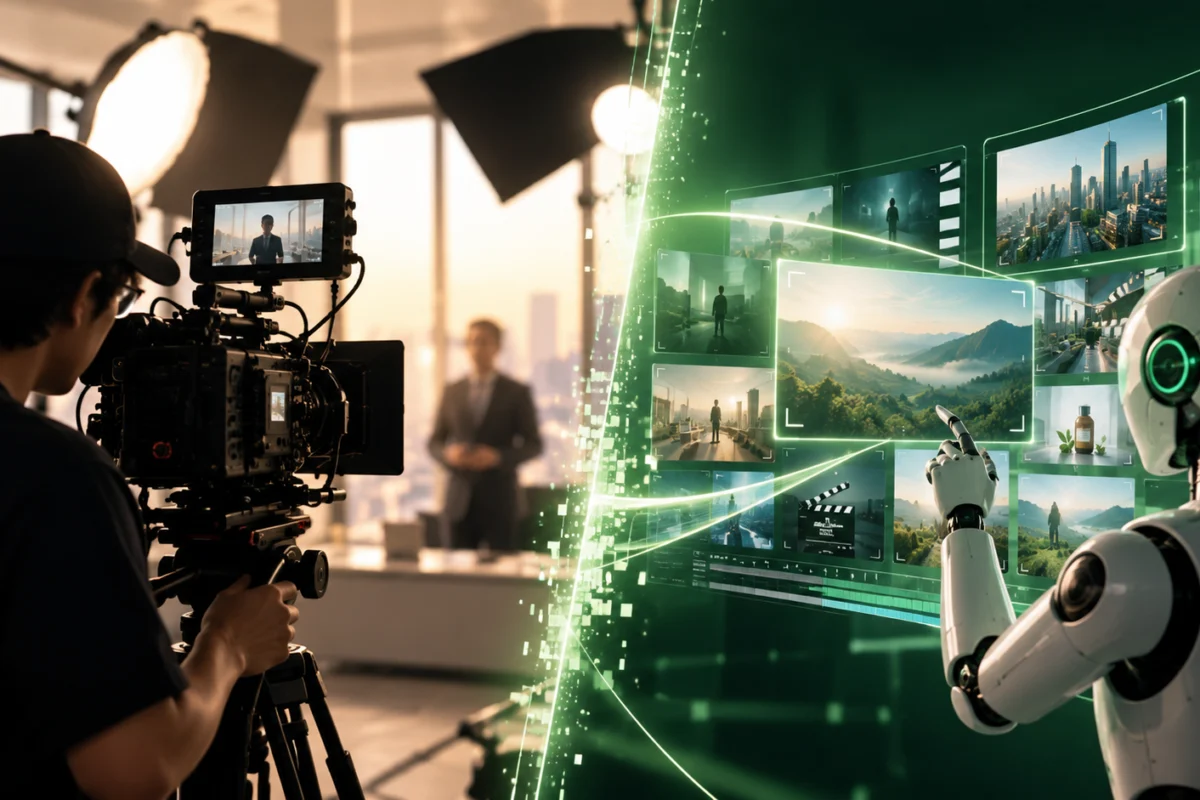
I wrote about this before, but it’s worth repeating here because it changes the calculation for a lot of businesses. The expensive part of corporate video used to be the heavy post-production — VFX, compositing, animation work that needed a full team. With the AI tools available now, I can bring that cost down by close to 10 times compared to a few years ago, and storyboarding that used to take a month can be turned around in days. That means corporate video isn’t just for companies with big marketing budgets anymore. A mid-sized Malaysian business can now get a properly produced piece at a cost that would have been unrealistic in 2020.
Corporate video does a specific job nothing else does
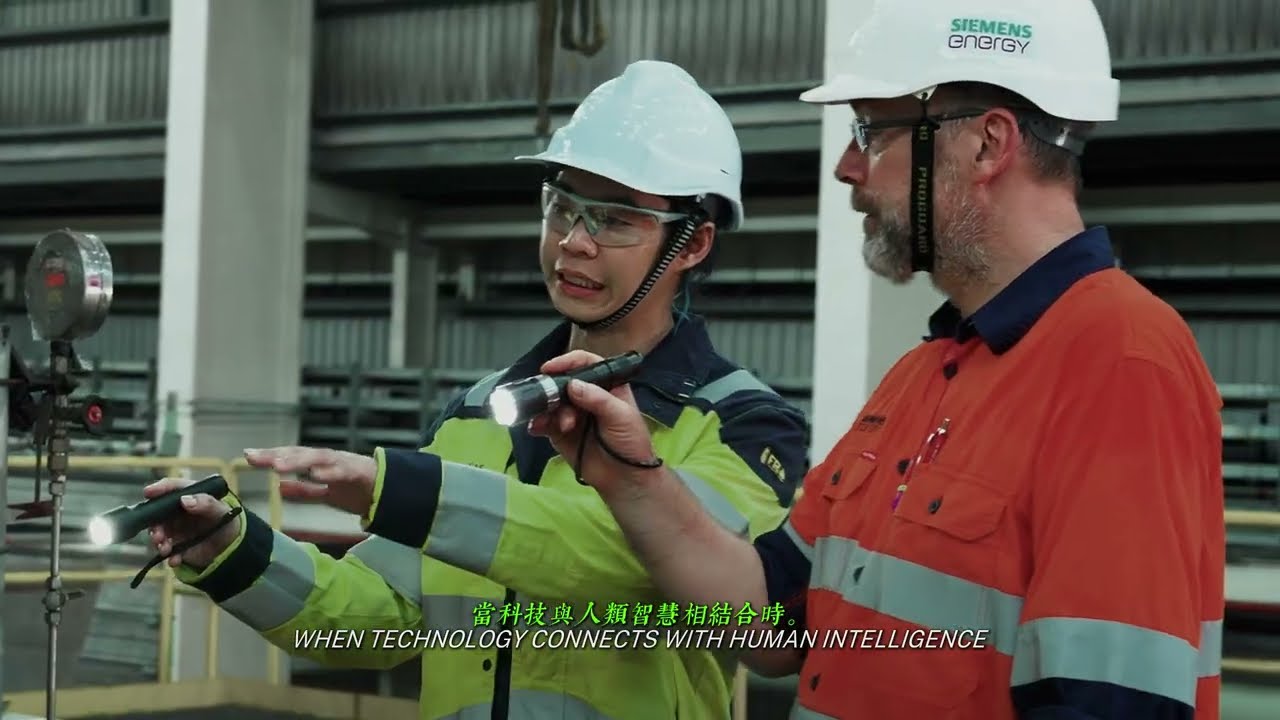
A well-made corporate video can hold a company’s tone, culture and credibility in a way that a brochure or a slide deck can’t. I’ve worked with companies across FMCG, finance, healthcare and energy — Nestlé, Sharp, Great Eastern, Amway, Samaiden, among others — and the brief is almost always some version of the same thing: “we need people to understand who we are and trust us quickly.” Video compresses that trust-building process in a way text alone struggles to.
What this actually looks like going into 2027
I don’t think every company needs a cinematic brand film. For most businesses, what’s actually useful is a mix: a solid company profile video that can be reused across pitches and the website, shorter pieces for social and internal use, and event or product coverage that gets repurposed instead of filmed once and forgotten. The companies getting the most value out of video aren’t necessarily spending the most — they’re the ones treating it as ongoing content, not a one-off project.
If you’re trying to work out what makes sense for your business specifically, that’s a conversation worth having before you commit to a format. Send me your brief and I’ll tell you honestly what you actually need, not just what sounds impressive.
Joshua Lim, filmmaker, producer and photographer, Precious Media Productions.