Can AI Replace a Video Production Company? Here’s What AI Still Can’t Do
I wrote a while back about where AI actually earns its place in my work — the cost savings, the storyboarding, all of it. But every time I…
I wrote a while back about where AI actually earns its place in my work — the cost savings, the storyboarding, all of it. But every time I bring that up, someone asks the follow-up question straight away: so does that mean you’re replaceable? I think about this more than people realise, so here’s where I’ve actually landed.
The honest answer is no, not for the kind of work I do. Not because I’m attached to the old way of doing things — I’m clearly not, given how much AI I already use. It’s because a video production isn’t really a video. It’s a hundred small decisions strung together, most of which happen before anyone presses record, and a lot of those decisions aren’t the kind a prompt can make for you.
A production starts long before the camera turns on
By the time I’m actually filming, most of the important work is already done. Understanding what the client actually needs, not just what they typed in a brief. Reading between the lines when someone says “make it feel premium” and figuring out what that means for this brand, this audience, this budget. Pushing back when an idea sounds good in a meeting but won’t actually work on screen. None of that is a creative-generation problem. It’s a judgment problem, and judgment is still very much a human thing.
AI can give you a beautiful shot. It can’t sit across the table and tell a client, diplomatically, that their idea needs rethinking before it becomes an expensive mistake.
Shoot days are chaos, and chaos needs a person
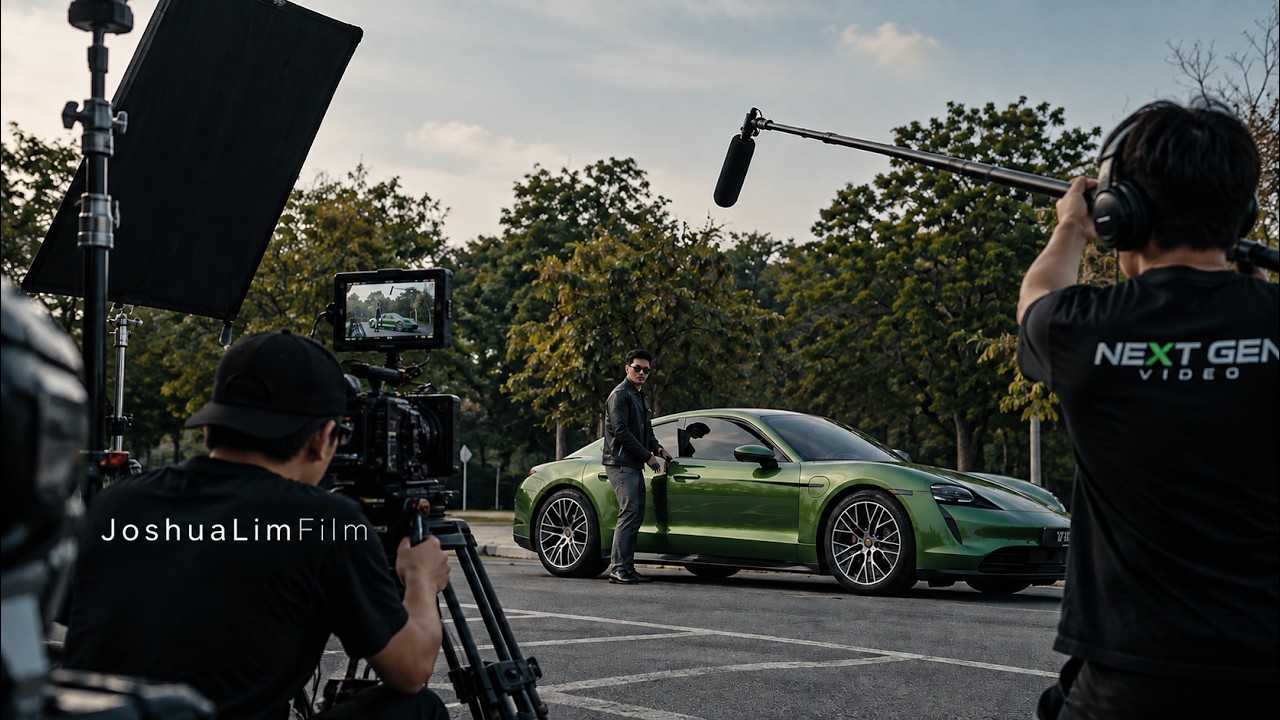
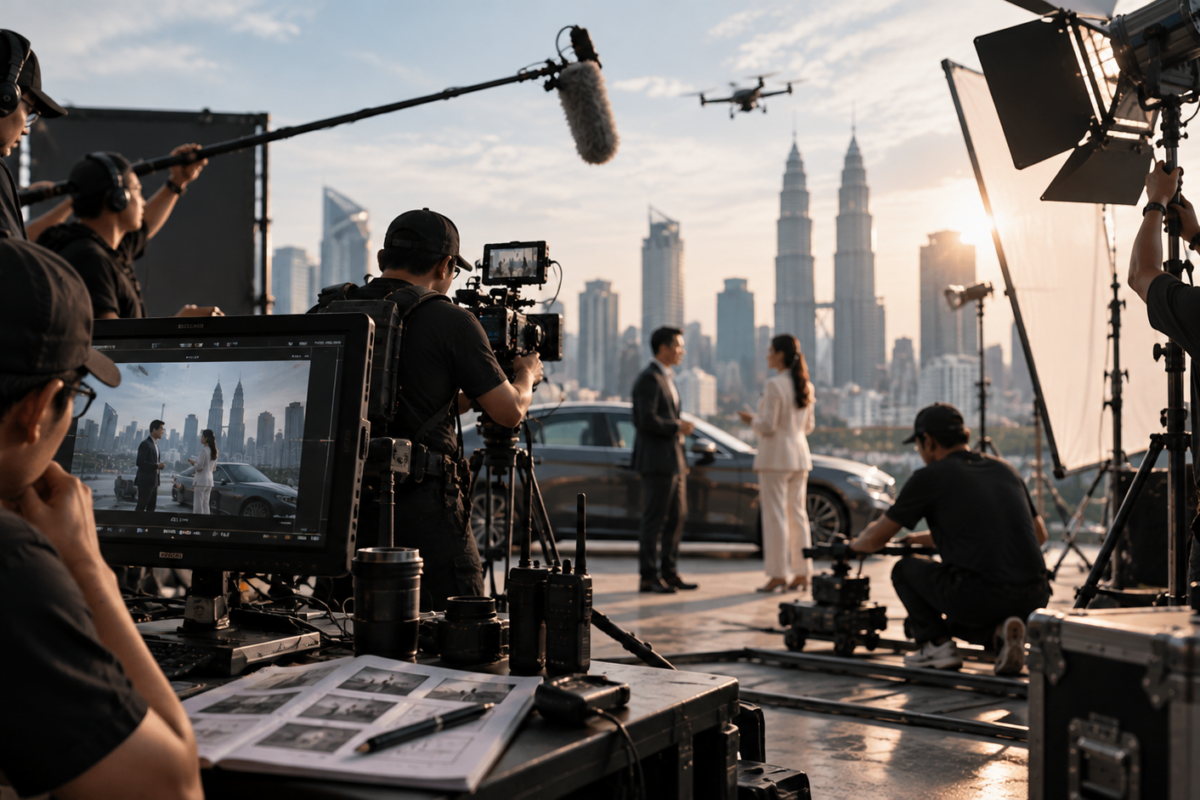
Anyone who’s actually run a shoot knows the plan survives contact with reality for about ten minutes. The talent’s running late. The light’s wrong because the weather changed. A location falls through at the last minute and you need a new one, now, while the client’s standing right there watching you solve it. These aren’t edge cases — they’re basically every shoot day, just in different combinations.
I can’t hand that to an AI tool. There’s no prompt for “the client’s getting nervous, read the room, and fix it.” That’s producing, and producing is a people skill wearing a technical job title.
Consistency is still the quiet problem
I mentioned this before, but it’s worth repeating because it’s the part clients don’t think about until it bites them. A brand doesn’t need one good video — it usually needs a dozen that all look like they came from the same place. Same face, same product, same tone, consistently, across every piece of content. That’s still where AI-generated video struggles. It drifts. One clip looks great, the next one’s subtly off, and for a brand that’s building recognition over time, “subtly off” is a real cost.
So what’s actually changing, then?
The work that’s disappearing is the expensive, repetitive, technical middle layer — the VFX teams, the compositing hours, the month spent on storyboard revisions before anyone agrees on a direction. That part’s genuinely being replaced, and I don’t think that’s a bad thing. It means a smaller team like mine can now do what used to need a much bigger one, at a fraction of the cost, and pass that saving on.
What’s not disappearing is the part at the front and the part on the day — the thinking, the relationship, the ability to make a hundred calls under pressure and get most of them right. That’s still me. I don’t think that changes anytime soon, and honestly, I’d rather spend my time there than compositing VFX by hand anyway.
Joshua Lim, filmmaker, producer and photographer, Precious Media Production.
Corporate video production in Malaysia → · AI video production in Malaysia → · AI video production across Asia →